

- Introduction
- Understanding the Basics of SMS Verification
- How SMS Verification Works: Step-by-Step
- The Importance of Phone Number Verification in Security
- Common Security Threats SMS Verification Prevents
- The Role of Disposable and Burner Phone Numbers in SMS Verification
- The Convenience of Temporary SMS (Temp SMS)
- Tools and Platforms for SMS Verification
- Choosing the Right Phone Number Generator App
- Best Practices for SMS Verification Security
- Considerations When Using Disposable Mobile Numbers for Verification
- Frequently Asked Questions About SMS Verification
- Conclusion: Fortifying Digital Security with SMS Verification
In the ever-expanding digital landscape, where online interactions and transactions have become an integral part of our daily lives, ensuring security is paramount. One of the key tools in the arsenal of online security is SMS verification. (Updated December 2025) With cyber threats growing more sophisticated and data breaches affecting millions of users annually, SMS verification has become an essential security layer for protecting personal accounts and sensitive information. In this comprehensive guide, we’ll delve into the intricacies of SMS verification, exploring how it works, its importance in enhancing security, and the various tools and techniques associated with it, including disposable phone numbers, burner phone numbers, and temporary SMS solutions.
Understanding the Basics of SMS Verification
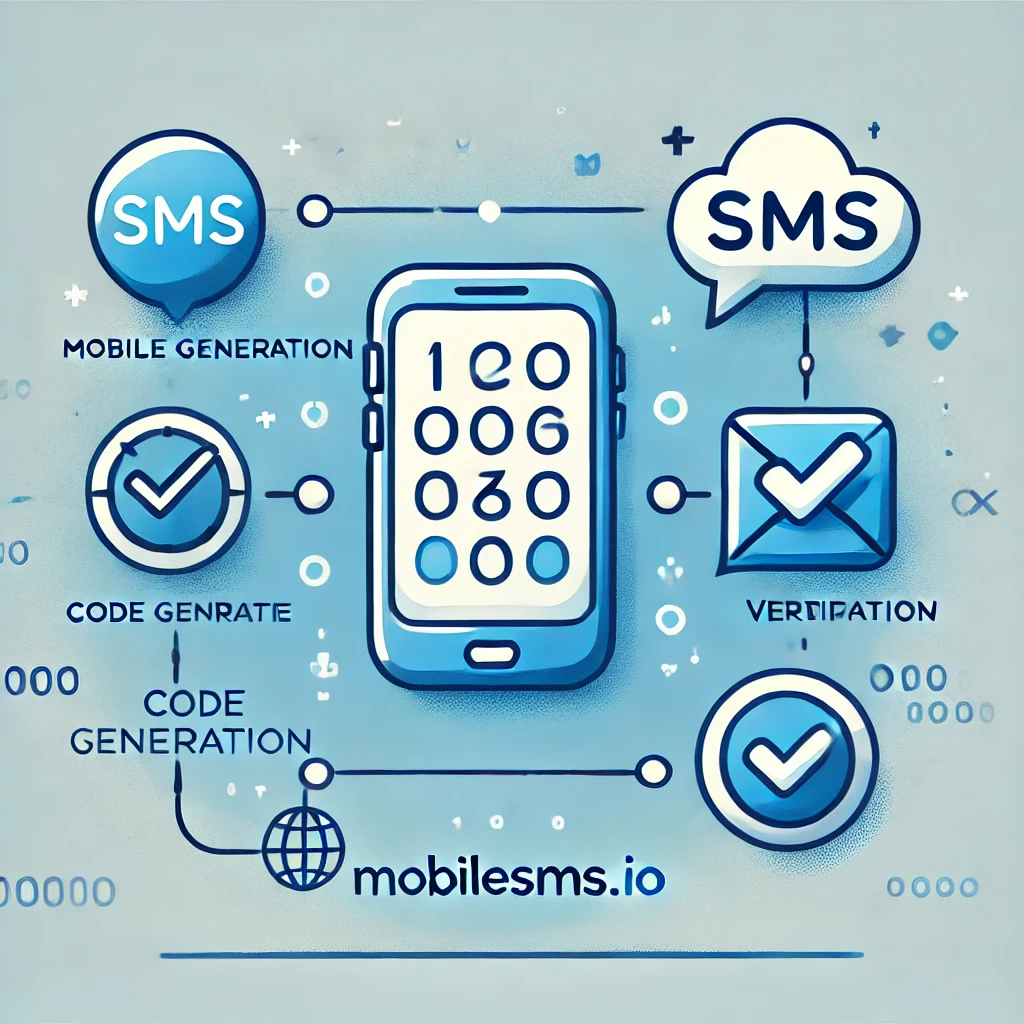
SMS verification, also known as two-factor authentication (2FA), is a security process that requires users to confirm their identity by entering a code sent to them via SMS. This additional layer of security adds a crucial step to the login or account creation process, reducing the risk of unauthorized access. In 2025, SMS verification has become a standard security measure across banking apps, social media platforms, e-commerce websites, and countless online services.
The verification code typically consists of 4-8 digits and expires within a short timeframe (usually 5-10 minutes) to prevent unauthorized use. This time-limited approach ensures that even if someone intercepts the code, it becomes useless after expiration.
How SMS Verification Works: Step-by-Step
Understanding the technical workflow behind SMS verification helps users appreciate its security benefits. The basic workflow involves:
- User Initiates Action: Whether signing up for a new account or attempting to log in, the user triggers the SMS verification process by providing their phone number.
- System Generates Code: The system generates a unique verification code using a secure random number generator and sends it to the user’s registered mobile phone number via SMS gateway services.
- Code Transmission: The verification code travels through secure SMS channels, typically arriving within seconds to a few minutes depending on network conditions and carrier processing times.
- User Enters Code: The user receives the code and enters it into the designated field on the website or application within the specified time limit.
- Verification Completed: If the entered code matches the one generated by the system and hasn’t expired, the user is successfully verified and gains access to the account or completes the desired action.
- Security Logging: Most systems log verification attempts, including timestamps and IP addresses, to detect suspicious patterns or potential security breaches.
The Importance of Phone Number Verification in Security
Phone number verification serves as a crucial line of defense against unauthorized access, identity theft, and fraudulent activities. According to recent cybersecurity reports, accounts protected with SMS verification are up to 99% less likely to be compromised compared to password-only accounts. Here’s why it’s so vital for security:
- Multi-Layered Authentication: By combining something the user knows (password) with something they have (mobile phone), SMS verification creates a multi-layered authentication process that significantly enhances security. This “something you have” factor makes it exponentially harder for attackers to breach accounts.
- Mitigating Unauthorized Access: Even if a malicious actor manages to obtain a user’s password through phishing, data breaches, or keylogging, they would still need physical access to the user’s mobile phone to complete the SMS verification process, making unauthorized access more challenging. This barrier has proven effective against credential stuffing attacks that plagued platforms throughout 2024-2025.
- Protecting Sensitive Information: For platforms dealing with sensitive information, such as banking, healthcare, or government services, SMS verification adds an extra layer of protection, ensuring that only authorized users can access critical data. Financial institutions have reported a 75% reduction in fraudulent transactions since implementing mandatory SMS verification.
- Account Recovery Security: SMS verification plays a vital role in secure account recovery processes, ensuring that password reset requests are legitimate and preventing account takeovers.
- Regulatory Compliance: Many industries now require SMS verification to comply with data protection regulations like GDPR, CCPA, and PCI-DSS standards.
Common Security Threats SMS Verification Prevents
SMS verification actively protects users against several prevalent cyber threats:
- Credential Stuffing Attacks: When hackers use stolen username/password combinations from one breach to access accounts on other platforms, SMS verification stops them in their tracks.
- Brute Force Attacks: Automated password-guessing attempts become futile when SMS verification is required, as attackers cannot generate the unique codes.
- Phishing Schemes: Even if users accidentally reveal passwords to phishing sites, the SMS code requirement prevents immediate account compromise.
- Bot Account Creation: SMS verification effectively prevents automated bot registration, protecting platforms from spam and fake accounts.
- SIM Swap Fraud Detection: Many modern SMS verification systems include monitoring for unusual patterns that might indicate SIM swap attempts.
The Role of Disposable and Burner Phone Numbers in SMS Verification
As the popularity of online security measures grows, so does the use of disposable and burner phone numbers in SMS verification. These temporary numbers provide users with additional layers of privacy and security while maintaining the protective benefits of SMS verification. In 2025, privacy-conscious users increasingly turn to these solutions to separate their online identities from their personal phone numbers. Let’s explore how these concepts complement SMS verification:
- Disposable Phone Numbers: These are one-time-use phone numbers that users can obtain for short durations, often for a specific verification process. They are ideal for situations where users want to keep their personal numbers private or avoid potential spam. Disposable numbers work seamlessly with most platforms that require SMS verification, providing the security benefits without exposing your primary contact information.
- Burner Phone Numbers: Burner phone numbers are associated with temporary or anonymous accounts. They offer a higher level of anonymity and are useful when users need a phone number for a short-term engagement, such as creating temporary accounts or participating in specific events. Unlike disposable numbers, burner numbers can typically be used for multiple verifications over a defined rental period.
- Non-VoIP Real Numbers: For maximum compatibility and security, services like MobileSMS.io provide real, non-VoIP phone numbers that work with even the most restrictive platforms. Many services in 2025 actively block VoIP numbers, making authentic mobile numbers essential for reliable verification.
Pro Tip: When managing multiple online accounts or testing various platforms, consider MobileSMS.io’s “All Services” 30-day rental plan, which provides flexibility to verify accounts across hundreds of different services while maintaining your privacy.
The Convenience of Temporary SMS (Temp SMS)
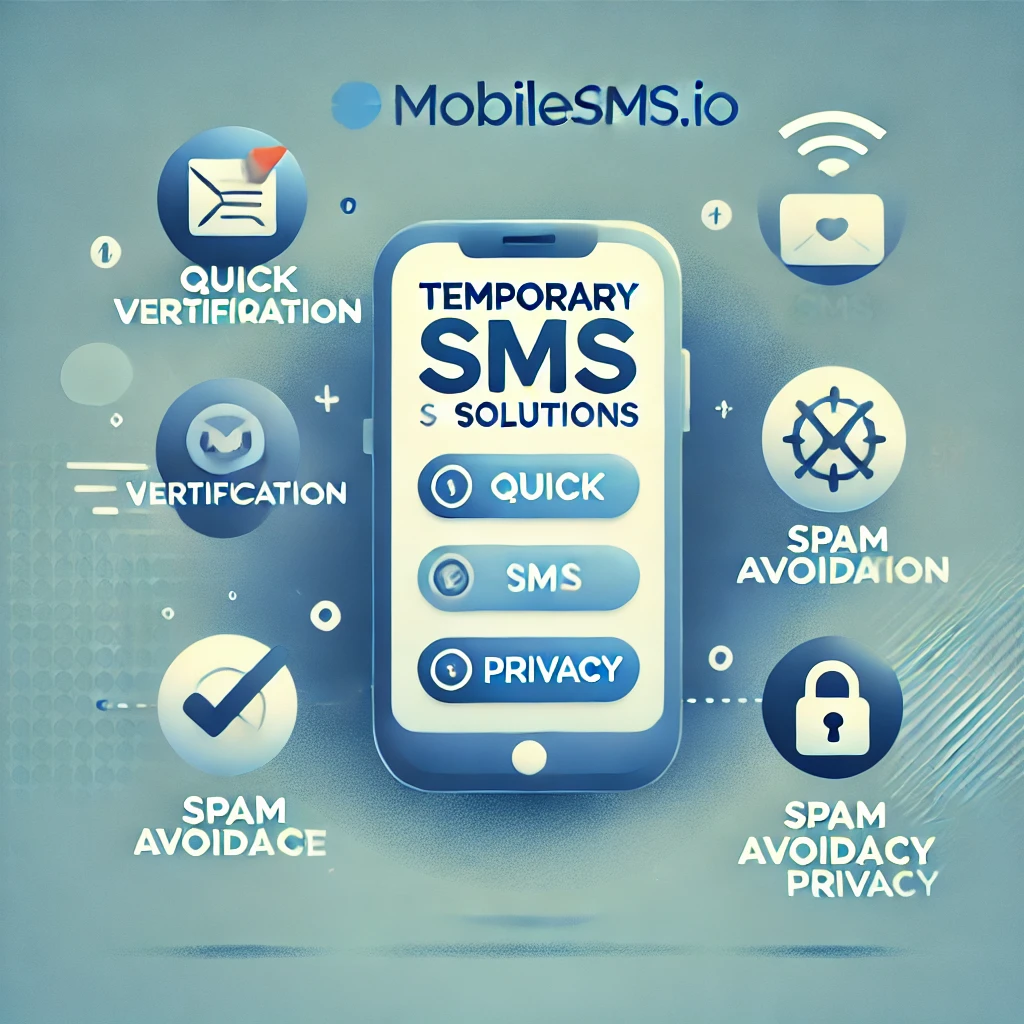
Temporary SMS solutions, often referred to as temp SMS or 10-minute phone numbers, provide users with a swift and secure way to receive verification codes. The demand for these services has grown substantially in 2025 as users become more aware of privacy implications. Here’s why they are gaining popularity:
- Quick Verification: Temp SMS solutions are ideal for quick verifications, especially when users need to confirm their identity for short-term access. The entire process typically takes less than two minutes from number rental to code receipt.
- Avoiding Spam: Using temporary numbers helps users avoid spam messages and promotional calls that can accompany online registrations. Studies show that providing your personal number for account creation can result in up to 15 unwanted marketing messages per month.
- Enhancing Privacy: For users who prioritize privacy, temp SMS solutions offer the ability to keep their personal phone numbers private, reducing the risk of unwanted communication, data broker collection, and potential doxxing attempts.
- Testing and Development: Developers and QA testers use temporary SMS numbers extensively for testing signup flows and verification processes without cluttering personal devices with test accounts.
- Multiple Account Management: Users who need to manage multiple accounts on platforms that limit one account per phone number find temp SMS invaluable for maintaining separate digital identities.
- Travel and International Access: Temporary numbers provide convenient verification solutions for travelers who need to access services in different countries without incurring international SMS fees.
Tools and Platforms for SMS Verification
Several tools and platforms facilitate SMS verification and provide users with the means to manage disposable, burner, and temporary phone numbers. The landscape has evolved significantly in 2025, with specialized services offering enhanced reliability and broader platform compatibility. Among these, VerifyWithSMS and Mobilesms.io stand out for their features and user-friendly interfaces:
- VerifyWithSMS: This platform offers a user-friendly interface, allowing users to obtain and manage temporary phone numbers effortlessly. With global accessibility, it caters to users around the world, ensuring convenience for international users who need verification numbers from specific countries or regions.
- Mobilesms.io: Known for its versatility and specialization in USA-based numbers, Mobilesms.io offers various types of phone numbers to suit different needs. Whether users require a disposable phone number for a one-time verification or a burner phone number for temporary usage, this platform has them covered. The service provides real, non-VoIP numbers that ensure compatibility with even the most restrictive platforms like banking apps, major social media networks, and financial services that block VoIP numbers. With instant delivery, reliable SMS reception, and 24/7 availability, Mobilesms.io has become a trusted solution for both individual users and businesses.
- Additional Platform Features to Look For: When selecting an SMS verification service in 2025, consider features like automatic SMS forwarding, API access for businesses, message history retention, and customer support responsiveness.
Choosing the Right Phone Number Generator App
For those who prefer to generate their own temporary phone numbers, phone number generator apps come into play. These apps provide users with the ability to create new numbers on demand, enhancing flexibility in managing online accounts and engagements. When evaluating phone number generator apps in 2025, consider these key factors:
- Number Quality: Ensure the app provides real mobile numbers rather than VoIP numbers, as many services now block VoIP-based verification.
- Geographic Coverage: Choose apps that offer numbers from your target countries or regions, especially if you need to verify accounts with location-specific requirements.
- Reliability and Speed: Look for services with proven track records of delivering SMS messages quickly and consistently.
- Privacy Policies: Review the provider’s data handling practices to ensure your verification activities remain private.
- Pricing Structure: Compare one-time purchase options versus subscription models to find the most cost-effective solution for your usage patterns.
- Customer Support: Opt for services that offer responsive support in case you encounter issues during critical verification processes.
Best Practices for SMS Verification Security
To maximize the security benefits of SMS verification, follow these best practices:
- Never Share Verification Codes: Legitimate companies will never ask you to provide verification codes over phone, email, or chat. Treat these codes like passwords.
- Be Alert to Timing: If you receive an unexpected verification code you didn’t request, it may indicate someone is attempting to access your account. Change your password immediately.
- Use Secure Networks: Avoid entering verification codes when connected to public Wi-Fi networks where traffic can be intercepted.
- Monitor Account Activity: Regularly review login history and security logs on your important accounts to detect unauthorized access attempts.
- Enable Additional Security Layers: When available, combine SMS verification with other security measures like authenticator apps, biometric authentication, or hardware security keys.
- Keep Contact Information Updated: Ensure your registered phone number is current so you can receive verification codes promptly and prevent account lockouts.
- Use Reputable Temporary Number Services: If using disposable numbers, choose established services like MobileSMS.io that prioritize security and reliability over free but potentially compromised alternatives.
Considerations When Using Disposable Mobile Numbers for Verification
While disposable mobile numbers offer enhanced privacy and security, users should consider a few factors before incorporating them into their online activities:
- Legality and Terms of Service: Ensure that using disposable numbers complies with the terms of service of the platform or service you are engaging with. Some platforms may have specific policies regarding the use of temporary numbers. However, most services accept any valid phone number that can receive SMS, making disposable numbers perfectly acceptable for verification purposes.
- Duration of Use: Determine the required duration for the temporary number. Some verifications may require a one-time use, while others may span a few days or weeks if you need to receive password resets or additional verification codes. Consider whether you need a short-term disposable number or a longer-term burner number rental.
- Level of Anonymity: Consider the level of anonymity needed for your specific use case. If high anonymity is a priority, burner phone numbers may be more suitable than disposable numbers. For maximum privacy, look for services that accept cryptocurrency payments and don’t require personal information for number rental.
- Account Recovery Implications: Remember that if you use a temporary number that expires, you may lose the ability to recover that account through SMS verification. For important accounts, maintain access to the phone number or set up alternative recovery methods before the temporary number expires.
- Message Retention: Understand how long the service retains messages. Some platforms delete messages after short periods, which could be problematic if you need to reference verification codes later.
- Number Recycling: Be aware that temporary numbers are often recycled and reassigned to other users after expiration. Never use temporary numbers for critical accounts that you intend to maintain long-term without establishing alternative verification methods.
Pro Tip: For users who need to manage multiple verifications across different platforms throughout the month, the MobileSMS.io “All Services” 30-day rental provides a cost-effective solution with consistent number availability and reliable message delivery.
Frequently Asked Questions About SMS Verification
Q: How secure is SMS verification compared to other authentication methods?
A: SMS verification provides significantly better security than password-only authentication, blocking up to 99% of automated attacks. While authenticator apps offer even stronger security, SMS verification remains the most widely accessible and user-friendly two-factor authentication method in 2025.
Q: What should I do if I don’t receive my verification code?
A: First, wait a few minutes as network delays can occur. Check that you entered the correct phone number and that your device has signal reception. If using a temporary number service, verify the number is still active. Most platforms offer a “resend code” option after 60 seconds.
Q: Can SMS verification codes be intercepted?
A: While SMS interception is theoretically possible through sophisticated attacks like SIM swapping or SS7 protocol exploitation, these attacks require significant resources and typically target high-value individuals. For most users, SMS verification provides excellent security against common threats.
Q: How long are SMS verification codes valid?
A: Most verification codes expire within 5-10 minutes to prevent unauthorized use. Some banking and high-security platforms use even shorter expiration periods of 2-3 minutes.
Q: Will using a temporary phone number prevent me from receiving important account notifications?
A: Yes, if the temporary number expires, you won’t receive future notifications sent to that number. For accounts you want to maintain long-term, either use your personal number or update to a permanent number before the temporary one expires.
Conclusion: Fortifying Digital Security with SMS Verification
In the dynamic landscape of online interactions, SMS verification emerges as a stalwart defender of digital security. Through its multi-layered authentication process, it acts as a powerful deterrent to unauthorized access and identity theft, proven to block 99% of automated attacks and significantly reduce the risk of account compromises. The integration of disposable, burner, and temporary phone numbers into this process adds versatility and privacy, empowering users to navigate the digital realm with confidence while maintaining control over their personal information.
As we continue to witness advancements in technology throughout 2025 and beyond, the role of SMS verification and its associated tools will likely evolve to meet emerging security challenges. Platforms like VerifyWithSMS and Mobilesms.io, along with phone number generator apps, showcase the commitment to providing users with secure, user-friendly solutions that balance security requirements with privacy concerns. By understanding the nuances of SMS verification and making informed choices regarding disposable and burner phone numbers, users can fortify their online presence and engage in digital activities with peace of mind.
Whether you’re protecting financial accounts, managing multiple social media profiles, or simply want to test new services without exposing your personal phone number, SMS verification combined with temporary number solutions offers a practical and effective approach to digital security. As cyber threats grow more sophisticated, implementing robust SMS verification practices isn’t just recommended—it’s essential for protecting your digital identity in an interconnected world.