

SIM-swap scams have rapidly become one of the biggest threats to online security. As more individuals engage in digital transactions, especially in cryptocurrency trading, scammers have developed sophisticated ways to exploit weaknesses in mobile security. A SIM-swap scam can result in unauthorized access to personal accounts, draining financial resources, and causing irreparable harm. (Updated December 2026)
According to the FBI’s Internet Crime Complaint Center, SIM-swap attacks increased by over 400% between 2021 and 2024, with losses exceeding $68 million in 2023 alone. The trend has continued into 2026, with attackers using increasingly advanced social engineering techniques and even bribing mobile carrier employees to execute swaps.
In this guide, we’ll walk you through everything you need to know about SIM-swap scams and how to prevent them in 2026. We’ll also explore how services like MobileSMS.io provide added layers of protection to keep your phone number secure and safeguard your online accounts.
- What Are SIM-Swap Scams?
- How Do SIM-Swap Scams Work?
- Warning Signs You’re Being Targeted
- Who Is at Risk?
- Preventing SIM-Swap Scams
- Why MobileSMS.io is Effective
- Steps to Avoid SIM-Swap Scams
- Why Cryptocurrency Users Are Major Targets
- What to Do If You’ve Been Targeted
- Benefits of Using Temporary Phone Numbers
- MobileSMS.io: Features and Benefits
- FAQ
- Conclusion
What Are SIM-Swap Scams?
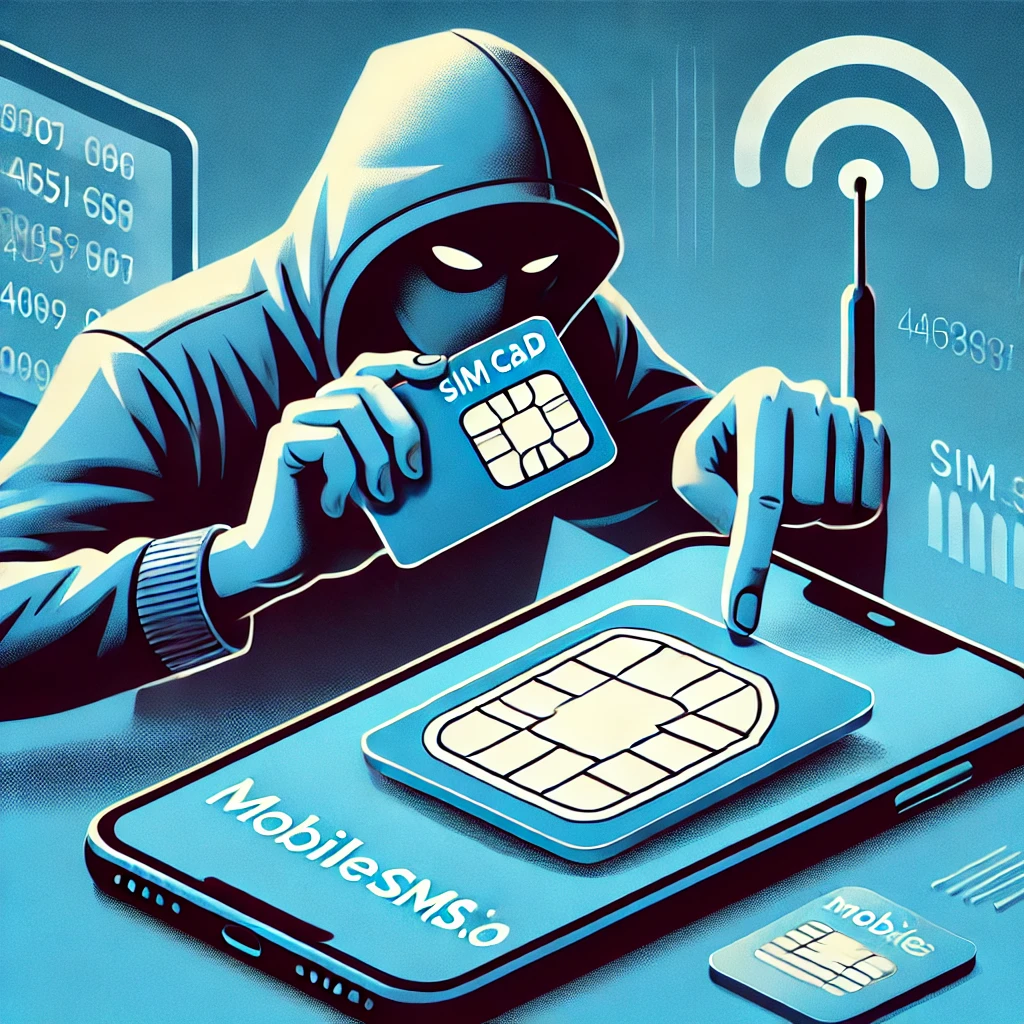
A SIM-swap scam is a form of identity theft that occurs when a hacker convinces your mobile carrier to transfer your phone number to a new SIM card. This gives the scammer control over your phone number and access to your SMS-based authentication methods, such as two-factor authentication (2FA) codes. Once they have control, they can easily breach your online accounts, including bank accounts, social media, and cryptocurrency wallets.
SIM-swap fraud has surged over recent years, particularly targeting individuals with significant digital assets, such as cryptocurrency holders. In 2026, we’re seeing new variations of this attack, including eSIM hijacking, where attackers exploit the digital SIM technology found in newer smartphones to perform swaps even more quickly and discreetly.
The consequences of a successful SIM-swap attack can be devastating. Victims have reported losing their life savings, having their social media accounts hijacked for further scams, and even experiencing ongoing harassment from criminals who gained access to their personal communications.
How Do SIM-Swap Scams Work?
SIM-swap scams usually begin with social engineering. Hackers gather personal information such as your name, address, phone number, and even answers to security questions from data breaches or phishing attempts. Using this information, they contact your mobile service provider, impersonate you, and request that your phone number be transferred to a new SIM card they control.
Here’s a typical attack timeline:
- Research Phase (Days to Weeks): The attacker collects your personal information from social media, data breaches, or phishing emails.
- Social Engineering (Minutes to Hours): They contact your carrier, answer security questions, and request the SIM swap.
- Account Takeover (Minutes): Once successful, they immediately begin resetting passwords and accessing accounts.
- Financial Theft (Minutes): They drain cryptocurrency wallets, bank accounts, or commit other fraud before you realize what’s happening.
Once they gain access to your phone number, the scammers can:
- Receive your 2FA codes.
- Reset passwords on your online accounts by receiving password reset codes.
- Access your financial and cryptocurrency accounts.
- Read your private messages and gather more personal information.
- Impersonate you to scam your friends, family, or business contacts.
This process is swift, and by the time you realize what has happened, significant damage may already be done. Most victims don’t discover the attack until their phone loses service or they receive alerts about password changes they didn’t request.
Warning Signs You’re Being Targeted
Recognizing the early warning signs of a SIM-swap attack can help you respond quickly and minimize damage. Watch out for these red flags:
- Sudden loss of cell service: If your phone unexpectedly shows “No Service” or “Emergency Calls Only,” this could indicate your number has been transferred.
- Unexpected password reset emails: Receiving password reset notifications you didn’t request is a major warning sign.
- Unable to log into accounts: If your usual passwords suddenly don’t work, someone may have already changed them.
- Strange texts or calls: Receiving confirmation texts about account changes or SIM activations you didn’t initiate.
- Unusual carrier notifications: Emails or texts from your carrier about account changes, new devices, or SIM card updates.
- Social media posts you didn’t make: Finding posts or messages sent from your accounts that you didn’t authorize.
Pro Tip: Set up email alerts for all your important accounts. If you receive a flood of password reset emails while your phone loses service, you’re likely under attack. Act immediately by contacting your carrier and financial institutions.
Who Is at Risk?
Anyone with a phone number is potentially at risk of SIM-swap fraud. However, certain groups are more attractive targets to scammers:
- Cryptocurrency holders: Individuals with significant cryptocurrency holdings are prime targets due to the irreversible nature of crypto transactions. In 2026, with Bitcoin and other cryptocurrencies reaching new highs, these attacks have become even more lucrative for criminals.
- Online traders: Those who engage in stock trading or digital asset exchanges.
- High-net-worth individuals: Wealthy individuals or business owners.
- Social media influencers: People with large followings on social platforms often become targets due to their wide-reaching influence and the value of their accounts.
- Business executives and entrepreneurs: Those with access to company funds or sensitive business information.
- Anyone who has appeared in data breaches: If your personal information has been exposed in past breaches, you’re at higher risk.
Preventing SIM-Swap Scams
Fortunately, there are various measures you can take to prevent SIM-swap scams. The most effective strategies involve both personal security practices and the use of additional services like MobileSMS.io to protect your phone number.
Common prevention steps include:
- Enable PIN or PUK codes on your SIM card: Contact your mobile provider to add a personal identification number (PIN) or personal unblocking key (PUK) to your account to prevent unauthorized changes.
- Use an Authenticator App: Whenever possible, switch from SMS-based two-factor authentication (2FA) to app-based authentication like Google Authenticator, Authy, or Microsoft Authenticator.
- Set up a carrier account PIN: Most major carriers (Verizon, AT&T, T-Mobile) now offer the option to set a separate PIN that must be provided before any account changes can be made. This is different from your SIM PIN.
- Enable SIM lock or number lock features: Some carriers offer additional security features that prevent your number from being ported without in-person verification.
- Regularly monitor your mobile account: Keep an eye out for unusual activity, such as changes to your account details or unexplained changes in network service.
- Consider a secondary phone number for sensitive accounts: By using a second, more private phone number for important accounts, you minimize your exposure to scammers.
- Use hardware security keys: For your most sensitive accounts, consider using physical security keys like YubiKey, which cannot be bypassed through SIM swapping.
- Freeze your credit: This prevents attackers from opening new accounts in your name even if they gain access to your personal information.
Carrier-Specific Security Features in 2026:
- T-Mobile: Offers “Account Takeover Protection” that requires in-store verification for SIM changes.
- Verizon: Provides “Number Lock” to prevent unauthorized port-outs.
- AT&T: Has “Extra Security” feature requiring additional passcode for account changes.
Contact your carrier directly to enable these features on your account.
Why MobileSMS.io is Effective
One of the most reliable ways to secure your phone number is by using MobileSMS.io. MobileSMS.io provides non-VoIP numbers that offer better protection against SIM-swap scams. These numbers are tied to real SIM cards, making it much harder for hackers to hijack them through social engineering or other tricks.
Benefits of using MobileSMS.io for SIM-swap scam prevention:
- Non-VoIP Numbers: Unlike VoIP numbers, which are often rejected by many online services, MobileSMS.io’s real SIM-card numbers are widely accepted for SMS verification.
- Temporary and Long-Term Rentals: MobileSMS.io allows you to rent one-time-use or long-term phone numbers for added security, reducing the chances of exposing your personal phone number.
- Global Reach: With numbers available from multiple countries, including the USA, you can choose a number that best suits your needs, regardless of where you are.
- Privacy by Design: Your personal number stays completely separate from your online accounts, creating an effective barrier against SIM-swap attacks.
- All Services Plan: For comprehensive protection, the 30-day rental “All Services” plan lets you use a single number across multiple platforms without repeatedly exposing your real phone number.
Steps to Avoid SIM-Swap Scams
To avoid becoming a victim of a SIM-swap scam, follow these practical steps:
- Use a service like MobileSMS.io for online verification: Instead of using your personal number, opt for a disposable phone number for account verification. This keeps your personal number private and out of the hands of potential scammers.
- Limit sharing of personal information: Be cautious about the amount of personal information you share online, especially on social media platforms. Avoid posting your phone number, birthday, or answers to common security questions.
- Monitor your accounts closely: Watch for unusual account activity and unauthorized access attempts. Set up login notifications for all important accounts.
- Enable account alerts: Set up account alerts for any changes to your mobile or financial accounts.
- Review your digital footprint: Regularly search for your personal information online and request removal from data broker sites.
- Be wary of phishing attempts: Never click on suspicious links or provide personal information in response to unsolicited calls, texts, or emails.
- Use unique, strong passwords: Employ a password manager to create and store unique passwords for each account, reducing the impact if one account is compromised.
Why Cryptocurrency Users Are Major Targets
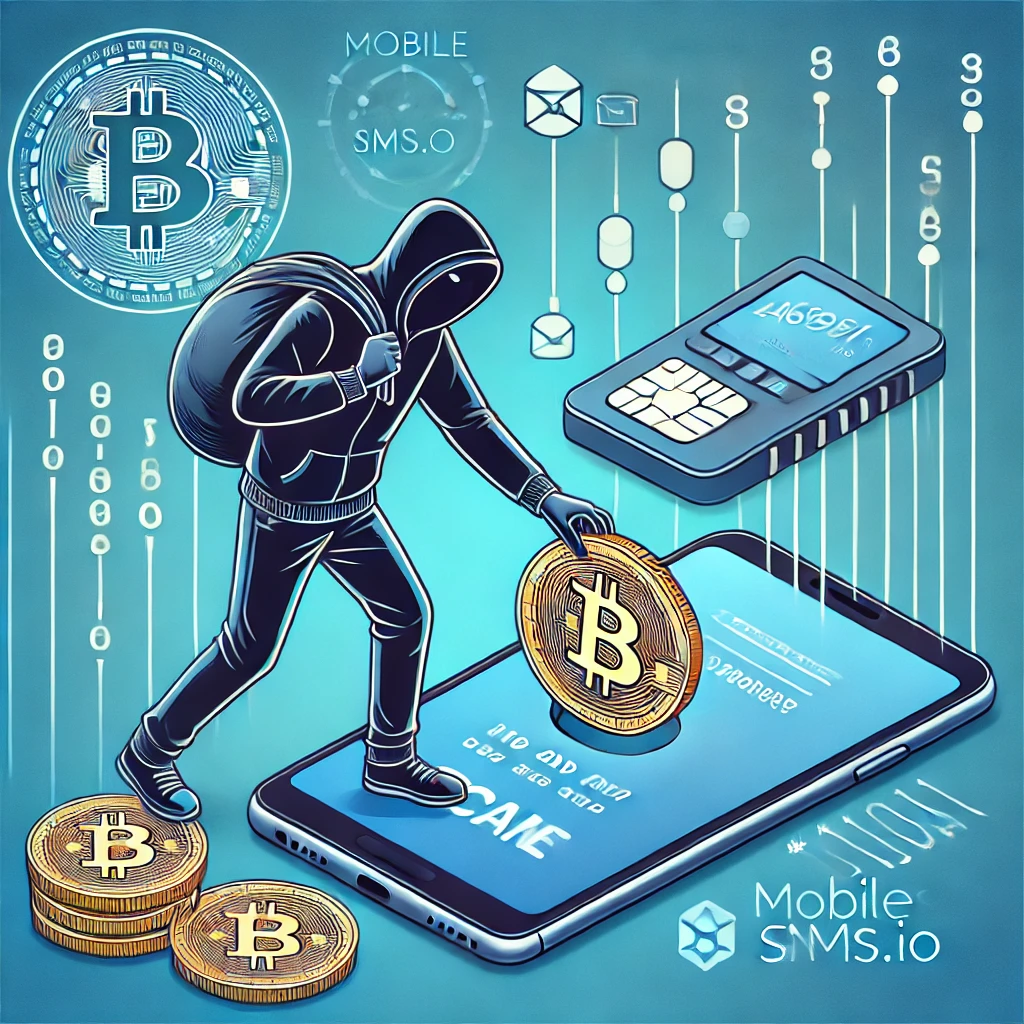
Cryptocurrency users are particularly vulnerable to SIM-swap scams because of the high value associated with their digital assets. Once a scammer has control of your phone number, they can bypass SMS-based 2FA and gain access to cryptocurrency wallets and trading platforms.
Since cryptocurrency transactions are irreversible, victims of SIM-swap scams often face significant losses with little recourse. This makes it crucial for crypto investors to take extra precautions, such as using MobileSMS.io for secure phone number verification.
Special Considerations for Crypto Users in 2026:
- Use hardware wallets: Store the majority of your crypto in cold storage wallets that aren’t connected to the internet.
- Enable withdrawal address whitelisting: Many exchanges now offer features that only allow withdrawals to pre-approved addresses, with a waiting period for new addresses.
- Avoid discussing holdings publicly: Never reveal how much cryptocurrency you own on social media or forums.
- Use multiple exchanges: Don’t keep all your assets in one place. Diversify across multiple platforms.
- Consider using a separate email for crypto accounts: Create a dedicated email address that’s not linked to your public identity.
In 2025, major exchanges like Coinbase, Binance, and Kraken have implemented additional security measures, but SMS-based 2FA remains a vulnerability. Always upgrade to app-based or hardware-based authentication when available.
What to Do If You’ve Been Targeted
If you suspect you’re the victim of a SIM-swap attack, time is critical. Follow these steps immediately:
- Contact your carrier immediately: Call from a different phone and explain that you’ve been SIM-swapped. Ask them to freeze your account and reverse the swap.
- Contact your financial institutions: Alert your bank, credit card companies, and cryptocurrency exchanges. Request temporary account freezes.
- Change all passwords: Using a secure device, change passwords for all important accounts, starting with email and financial accounts.
- File a police report: Document the crime for potential insurance claims and legal proceedings.
- Report to the FTC: File a complaint at IdentityTheft.gov.
- Monitor your credit: Place fraud alerts on your credit reports with all three bureaus (Equifax, Experian, TransUnion).
- Document everything: Keep records of all communications, losses, and steps taken for potential legal action.
Important: Many SIM-swap victims have successfully sued their carriers for negligence. Keep detailed records of how the attack occurred and any security failures on the carrier’s part.
Benefits of Using Temporary Phone Numbers
Using temporary phone numbers from MobileSMS.io offers several advantages in protecting against SIM-swap scams:
- Privacy: You can keep your real phone number private, reducing the risk of exposure to scammers.
- Flexibility: Whether you need a number for one-time use or for an extended period, MobileSMS.io has options to fit your needs. The All Services 30-day rental plan is perfect for users who need ongoing verification across multiple platforms.
- Security: By using a disposable number for online accounts, you create an extra layer of security that prevents hackers from accessing your personal phone number.
- Compartmentalization: Keep your personal, business, and online verification numbers completely separate.
- No long-term exposure: Temporary numbers can be changed regularly, making it nearly impossible for attackers to build a profile on you.
MobileSMS.io: Features and Benefits
Here’s why MobileSMS.io is an excellent tool for preventing SIM-swap scams:
- Non-VoIP Real SIM-Card Numbers: Ensure compatibility with all online services, including those that reject virtual numbers.
- Flexible Pricing Plans: Choose between one-time-use or long-term rental phone numbers based on your needs.
- Global Coverage: Reliable USA numbers are the specialty, but other country options are available.
- Secure and Private: Protect your online accounts without exposing your personal phone number.
- Instant Delivery: Get your verification codes quickly without delays.
- 24/7 Availability: Access numbers whenever you need them, day or night.
FAQ
What is a SIM-swap scam?
A SIM-swap scam occurs when hackers transfer your phone number to a new SIM card under their control, gaining access to your online accounts through SMS-based two-factor authentication.
How can I prevent SIM-swap scams?
You can prevent SIM-swap scams by using PINs on your SIM card, switching to app-based two-factor authentication, enabling carrier security features, and using a secure service like MobileSMS.io for SMS verification instead of your personal number.
Why are cryptocurrency users targets of SIM-swap scams?
Cryptocurrency users are attractive targets because once hackers gain access to wallets or trading accounts, they can transfer funds, and the transactions are irreversible. With crypto values at all-time highs in 2025, these attacks have become even more profitable for criminals.
What is MobileSMS.io?
MobileSMS.io is a service that provides non-VoIP phone numbers, ideal for receiving SMS verification without exposing your real number.
Are MobileSMS.io numbers safe to use?
Yes, MobileSMS.io offers real SIM-card numbers, which are more secure than VoIP numbers and widely accepted by online services.
Can I use MobileSMS.io for long-term security?
Yes, MobileSMS.io offers long-term rentals for phone numbers, providing ongoing protection for sensitive accounts. The All Services 30-day plan is ideal for users who need consistent verification across multiple platforms.
How quickly can a SIM-swap attack happen?
Once an attacker successfully convinces your carrier to transfer your number, they can begin accessing your accounts within minutes. The entire attack from SIM swap to financial theft can occur in under an hour.
Can my carrier be held responsible for a SIM-swap attack?
In some cases, yes. There have been successful lawsuits against carriers for negligence in verifying identity before processing SIM swaps. Document everything if you’re a victim.
Is eSIM safer than physical SIM?
eSIM can be both safer and riskier depending on implementation. While it eliminates the physical theft vector, eSIM swaps can sometimes be performed remotely without physical access to the phone. Always enable all available security features regardless of SIM type.
Conclusion
SIM-swap scams pose a real and growing threat to your online security in 2025, especially as scammers become more sophisticated in their methods. The financial and emotional toll on victims can be devastating, but with the right precautions, you can significantly reduce your risk.
By taking proactive measures such as enabling carrier security features, using app-based authentication, and leveraging services like MobileSMS.io to keep your personal number private, you create multiple layers of defense against these attacks. Remember, your phone number has become a master key to your digital life—protect it accordingly.
Don’t wait until you become a victim. Take action today to secure your accounts, review your carrier’s security options, and consider using MobileSMS.io for your online verification needs. Your digital identity and financial security depend on it.